Radioactive Shrimp from Indonesia Being Removed from U.S. Grocery Stores.
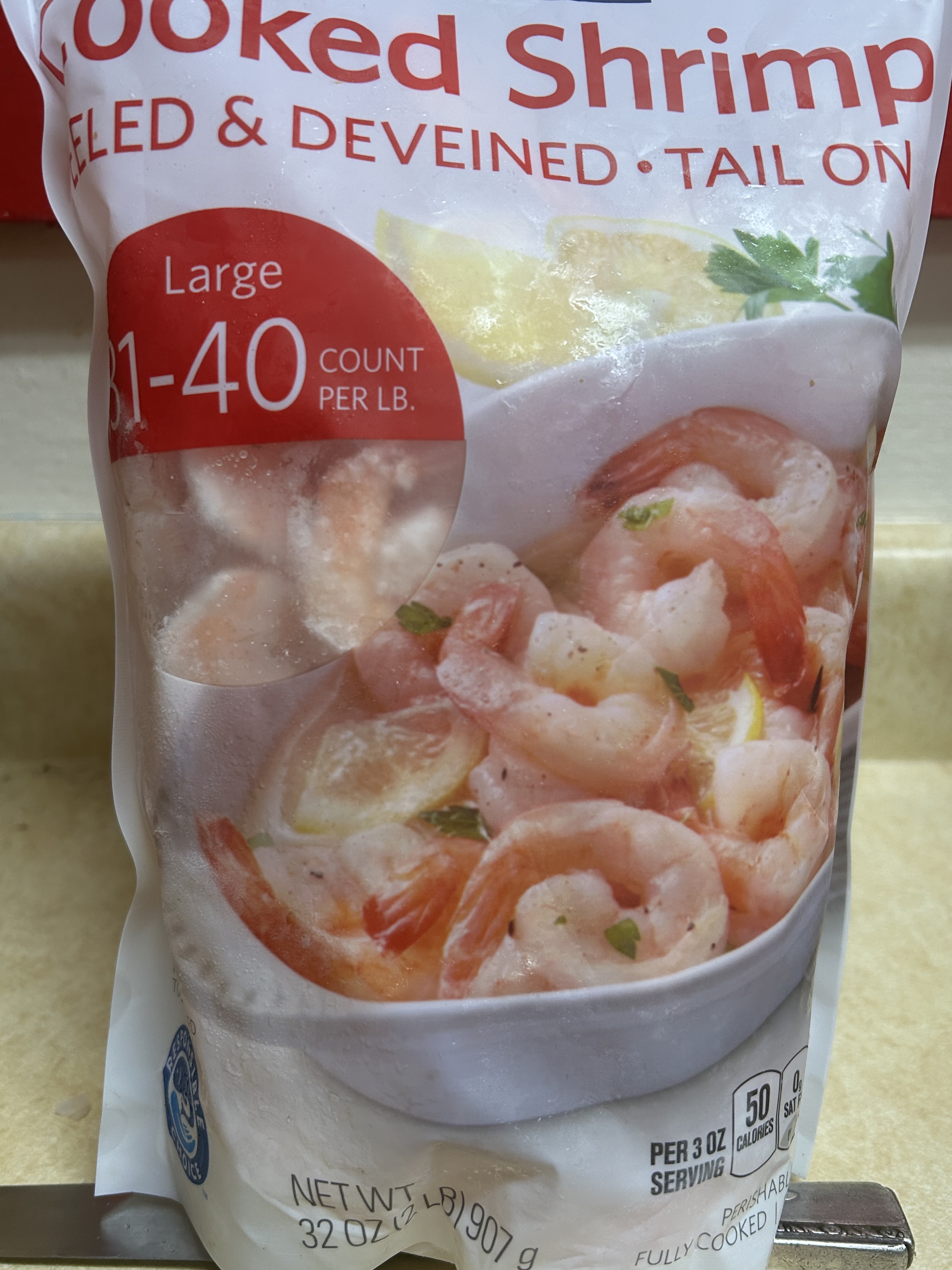
photo credit R. Prince
1.
Although the steam of the anti-nuclear movement has been reduced to nearly nil, Nancy and I try to mark two occasions: August 6 – Hiroshima Day and September 10. On the latter date in 1969 the Department of Energy detonated an unground nuclear blast on the northern side of the Grand Mesa at Rulison, in Western Colorado that was part and parcel of Project Plowshare.
Two movies worth watching probe the human consequences nuclear blasts and accidents. Black Rain by Shohei Imamura (not the movie with the same title starring Michael Douglas) is, as far as I am concerned, one of the finest movies ever made. It explores the aftereffects of both nuclear and conventional war on two individuals, one a young girl who is visited by “black rain” (radioactive fallout) immediately after the Hiroshima blast, the other being a Japanese war veteran who watched his military comrades crushed to death by a tank.
There are a series of films about the Fukushima nuclear accident that explore its aftermath and the human cost – at least part of it – involved. One that we recently saw is Voices in the Wind, a slow-moving, poignant film directed by Nobuhiro Suwa that touches on unmitigated grief, the challenges of healing and importance of the human connection in the aftermath of this traumatic event.
Among the more recent aftereffects of efforts to “tame the atom” is the radioactive contamination of shrimp from Indonesia, much being removed from the shelves of U.S. grocery stores – became a news item this past summer (Summer of 2025).
2.
A few weeks ago, shopping at a neighborhood Safeway in Northwest Denver, I saw that a package of shrimp on sale, liked the price, and made the purchase. Shortly thereafter I began to see videos and read articles with headlines like “Walmart recalls frozen shrimp over potential radioactive contamination, AP Explains” or “More shrimp recalled for possible radiation contamination”. There was a slew of others, as any initial Google search would indication. The videos and articles all shared pretty much the same information:
BMS Foods, also known as PT. Bahari Makmur Sejati, an Indonesian shellfish supplier, is under investigation by Customs & Border Protection (CBP); a single batch of product, which was not shipped to or sold in the US, tested positive for Cesium-137 contamination. The CBP alerted the FDA, which is now also investigating. BMS Foods supplied frozen shrimp products to Walmart, which sells the product under its Great Value house brand.
Put more bluntly: a batch of shrimp from BMS Foods, an Indonesian supplier that had entered the United States was found to been contaminated with Cesium-137, a radioactive contaminant not found in nature but instead is a product of man-made nuclear reaction. The contaminated shrimp was detected by the U.S. Customs and Border Patrol who in turn alerted the Food and Drug Administration (FDA). The FDA initiated a shrimp recall as early as August 19 first an initial and then an expanded warning about the dangers of eating such shrimp on September 25. At first the FDA’s recall targeted frozen raw shrimp, but later the FDA added cocktail shrimp and cooked medium peeled tail-off shrimp to its list of at-risk products.
First reports were that the batch had been isolated with none of the contaminated shrimp entering the United States. But as often happens, that version of events was soon superseded by more the sobering news that the contaminated shrimp had been carried across the Pacific by more than one container ship and that, indeed, some of it had found their way to a number of U.S. ports and grocery market shelves. Tainted containers and shrimp were found at the U.S. ports of Los Angeles, Houston, Miami and Savannah. Grocery chains initially mentioned included the Walmart and Kroger food chains.
The number of effected states also grew from six in earlier reports to twenty-nine as the story progressed. As the latest FDA statement (September 25, 2025) notes:
On September 23, 2025, Southwind Foods, LLC of Carson, CA expanded its recall to include a limited quantity of Frozen Shrimp. The bagged, frozen shrimp product was distributed between June 24 – September 16, 2025, to retailers, distributors, and wholesalers in the following states: AL, AZ, CA, CO, CT, FL, GA, HI, ID, IN, KS, KY, LA, MA, MI, MN, MO, MT, NE, NV, NJ, NM, NY, OH, OR, PA, RI, TN, TX, UT, VA, WA, WI, and WY. Please see the firm’s recall announcement for additional product information.
Lawrence Wholesale, LLC of Vernon, CA also recalled a limited quantity of Kroger bagged frozen shrimp and Kroger frozen shrimp products. Bagged frozen shrimp and shrimp cocktail products were sold by Kroger in the following states: AK, AL, AR, AZ, CA, CO, GA, ID, IL, IN, KS, KY, LA, MI, MO, MS, MT, NE, NM, NV, OH, OR, SC, TN, TX, UT, VA, WA, WI, WV, and WY. Please see the firm’s recall announcement for additional product information.
The statement continues, listing other distributor, wholesalers and grocery chains beyond Walmart and Kroger, suggesting that the radiation contamination crisis continues to expand and is much more serious than initially suggested.
2.
While the detective work pinpointing where the contaminated shrimp has entered the country continues apace with recalls mounting all the time, not every aspect of this radioactive outbreak has been explored. As John LaForge who writes for Nuke Watch Quarterly noted in the Fall, 2025 edition perceptively commented:
“None of the dozens of reports reviewed by Nuke Watch explained how the cancer-causing isotope Cs-137 – a human-made radionuclide only produced inside nuclear reactors – spread to multiple container ships”
The article goes – very much worth reading – suggests three possible sources that might have contaminated the shrimp:
- One suggestion put forth as a hypothesis is that “contamination could be from nuclear industries in China” from a food irradiation plant as the two radioactive substances most used in irradiation facilities are cobalt-60 and cesium-137. These plants tend to use very large quantities of both cobalt-60 or cesium-137.
- A second possibility – Fukushima related – the pirate fisher theory – is that that the food fed to fish farmed shrimp in Indonesia is the source of elevated cesium-137. Such materials is soften harvested by `pirate fishers could be contaminated with Fukushima-derived Cs-137, at endemically high levels in some Pacific Sea areas. This point was developed by Kimberly Robertson, Program Director for the Fukushima Fallout Awareness Network.
- The third possibility, that LaForge points out, is that the contaminated shipping containers could have come into close contact with radioactive waste being shipped in the other containers on the same ship. It is also unlikely and extremely scandalous, that the same containers used to ship the shrimp had earlier been used to transport radioactive waste
At the moment the actual source of the Indonesian shrimp contamination has not been identified, or if it has, the result has not been publicly shared. The FDA has announced that the investigations as to the source continue. I would not be surprised if more and more of the investigation centers around Fukushima radiation leaks. The March 11, 2011, triple reactor meltdown at Fukushima continues to leak widespread radioactive leaks into the Pacific Ocean. TEPCO, the Japanese energy company that runs Fukushima has been unable to eliminate or even moderate the amount of radioactive material leaking into the world’s largest ocean. There are some also 880 tons of highly radioactive melted reactor fuel” still smoldering at the bottom of the three devastated reactors”.
The company producing the bag of shrimp I recently purchased is not cited on the list of companies that are a part of the current shrimp recalls but … it does come from Indonesia where virtually all the contaminated shrimp seems to be from. Much as I enjoy shrimp, as a precautionary measure, this one is going in the garbage can.
 View from the Left Bank: Rob Prince's Blog
I was going to ask if you ate it then I saw the end.
Here’s Black Rain with English subtitles:
On Sat, Oct 11, 2025 at 12:07 AM View from the Left Bank: Rob Prince’s Blog
Thanks for sending this, Rob. I noted that Maryland doesn’t seem to have gotten any of these shrimp, but apparently Virginia did, and I have alerted friends who live in Virginia